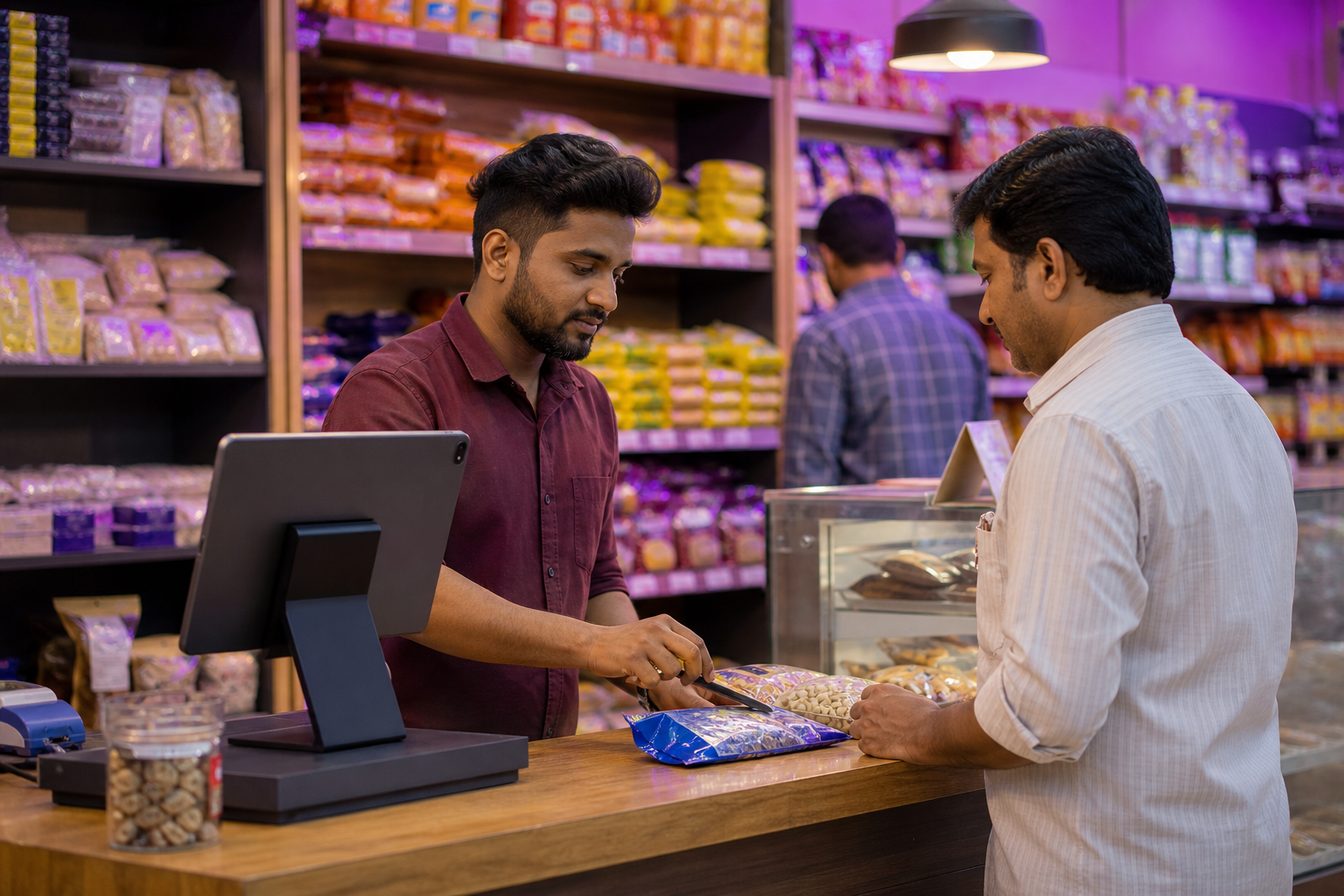
Tenants sell independently
Each shop keeps its own catalog, cashiers, credit ledger, invoices, and tax receipts. The venue does not mix those lists.

Venues
Onboard tenants, set rent models, watch daily POS, and keep a simple cash book — park, mall, or society.

Shops join your venue; you approve, then they sell on the same POS stack with their own catalog.
Fixed, percent of sales, or hybrid rent. Record rent received and expenses in a month cash book. Invite an accountant who cannot change shops or settings.
See which shops are ringing, review payment methods, and keep tax slabs consistent for the site.
Cafe next to toys next to clothing — tenants are not locked to one activity.
Illustrative mix of rent models across tenant shops. Source: Hirah Shop venue design — not a live park.
Illustrative Saturday mix on a mixed-use floor. Source: Hirah Shop venue design.
Shop customer lists stay with each tenant. The venue keeps its own visitor / loyalty contacts. Notices and onboarding documents are for the venue team — shops only see them when they belong to a venue.
How rent and the cash book work
Each shop keeps its own catalog, cashiers, credit ledger, invoices, and tax receipts. The venue does not mix those lists.
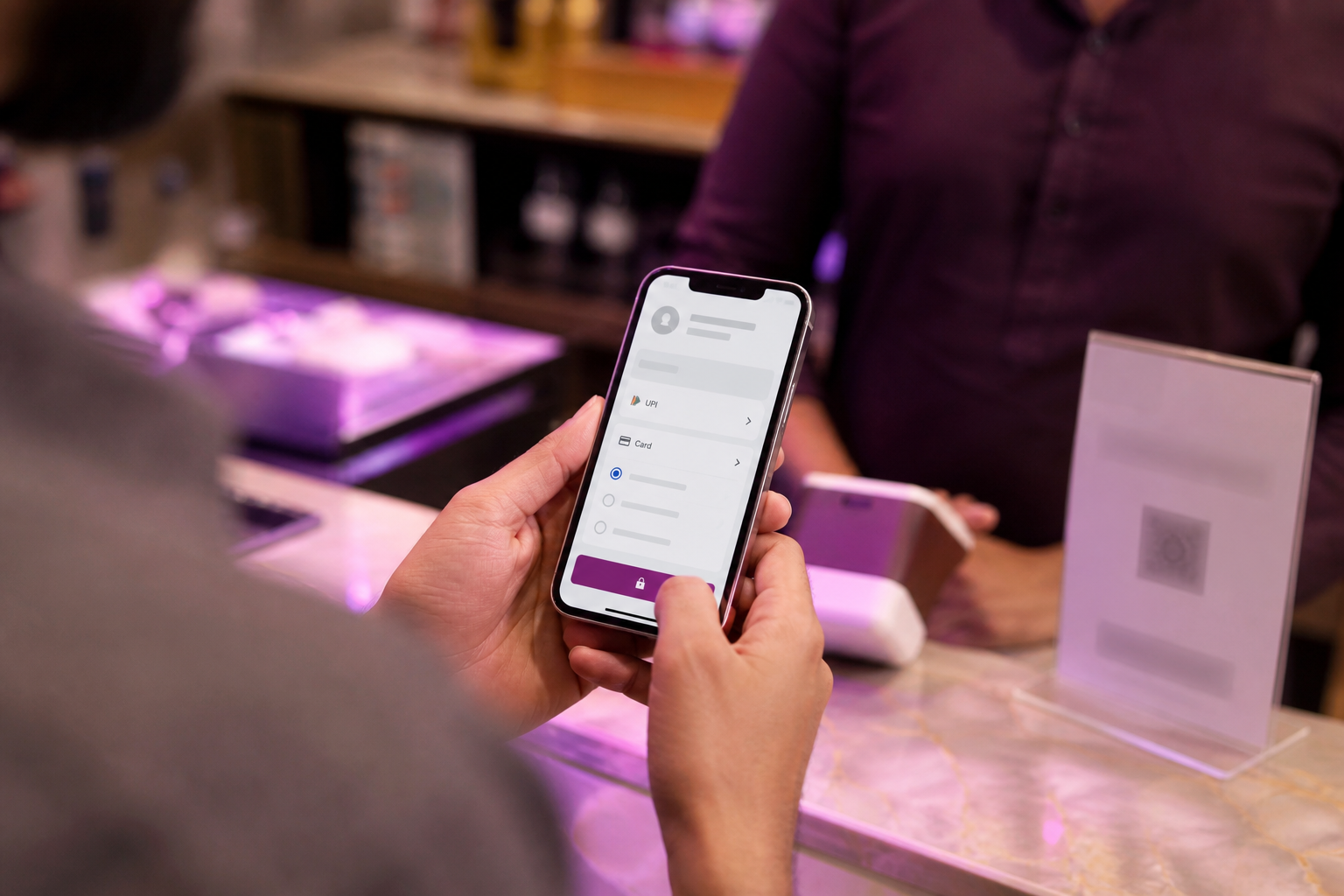
Record rent received against the shop. Pair it with venue expenses in the month cash book. Accountants can read, not rewrite shops.

Daily POS across stalls, payment mix, and which shops are ringing — without taking over a tenant’s till.
Create the business, invite tenants, and give your accountant a login that cannot change shops.